How Long Does It Take to Get a Settlement Check After Signing the Release?
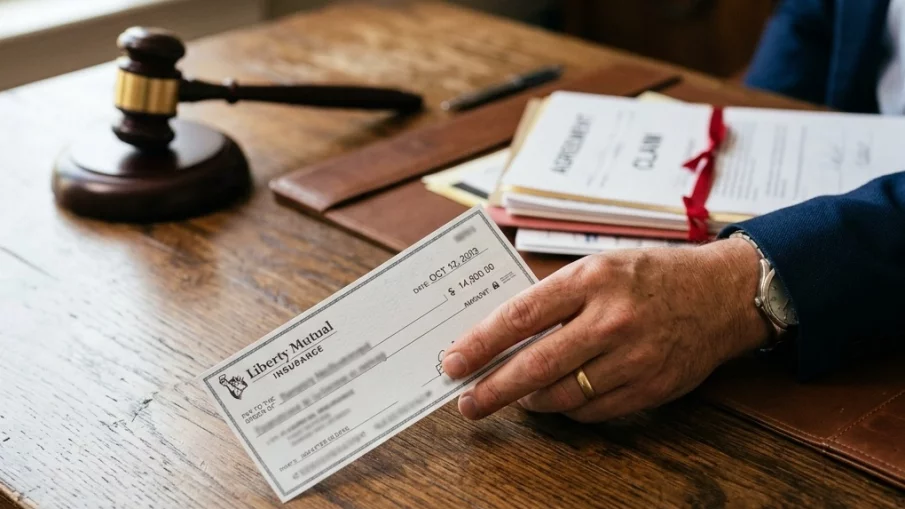
You have been through months (maybe years) of stress, medical appointments, and negotiations. You finally reached a settlement agreement, signed the release, and let out a sigh of relief. But now a new question is keeping you up at night: When am I actually going to get paid?
It is a completely valid thing to worry about. After all, bills do not stop arriving just because your case is settled. In this article, we will walk you through the entire process from signature to check-in-hand, so you know exactly what to expect and why it does not happen overnight.
The Short Answer: 2 to 6 Weeks (Usually)
In most personal injury cases, you can expect to receive your settlement check within two to six weeks after signing the release. Some cases wrap up faster; others can stretch to eight weeks or more if complications arise.
But why does it take that long? After all, both sides have agreed on a number. The reality is that several behind-the-scenes steps need to happen before any money reaches your bank account.
Step-by-Step: What Happens After You Sign the Release
1. The Release Goes to the Insurance Company
Once you (and your attorney, if you have one) sign the release, it gets sent back to the at-fault party's insurance company. The release is a legally binding document that says you accept the settlement amount and agree not to pursue any further claims related to the incident.
The insurance company will review the signed release, verify everything is in order, and begin processing your payment. Depending on the size of the company and their internal procedures, this review alone can take anywhere from a few days to a few weeks.
Some states actually require insurance companies to issue payment within a set number of days. For example, certain jurisdictions require payment within 21 days of receiving a properly executed release. If you are curious about the rules in your state, a personal injury attorney can let you know.
2. The Check Is Mailed to Your Attorney
In most cases, the insurance company does not send the check directly to you. Instead, they mail it to your attorney's office. This is standard practice and actually works in your favor, because your attorney will handle all the deductions and make sure everyone who is owed money gets their share before cutting you a check.
If you do not have an attorney and handled the case yourself, the check will come directly to you. However, you will still need to deal with any outstanding medical liens or bills on your own.
3. The Check Is Deposited Into a Trust Account
When your attorney receives the settlement check, they deposit it into a special client trust account (sometimes called an escrow account or IOLTA account). This is a separate bank account that law firms are required to maintain specifically for client funds. It keeps your settlement money separate from the firm's own operating funds.
4. The Funds Need to Clear
This is the step that surprises a lot of people. Even though the check has been received and deposited, the bank still needs to verify the funds and officially "clear" them. Depending on the amount and the bank's policies, this can take five to seven business days, and sometimes longer for especially large checks.
Your attorney cannot legally distribute any money until the check has fully cleared. This is not them dragging their feet; it is a legal and ethical requirement.
5. Deductions Are Made
Once the funds have cleared, your attorney will prepare a settlement disbursement sheet. This document outlines every deduction that comes out of your settlement before you get your portion. Common deductions include:
- Attorney fees (typically 33% to 40% of the total settlement)
- Case expenses (court filing fees, expert witness fees, medical record costs, etc.)
- Medical liens (bills from hospitals, doctors, or other healthcare providers who treated you on credit)
- Health insurance subrogation claims (if your health insurer paid for treatment, they may have a right to be reimbursed from your settlement)
Your attorney should walk you through this breakdown in detail so there are no surprises.
6. You Get Your Check
After all the deductions are made and every party who is owed money has been paid, your attorney will issue your check or arrange a direct deposit for the remaining balance. This is your money, free and clear.
Common Reasons for Delays
Even if everything goes smoothly, the process is not instant. But sometimes, things take longer than expected. Here are the most common reasons for delays:
Unresolved Medical Liens
This is probably the number one holdup. Hospitals, doctors, and insurance companies that paid for your medical treatment may have filed liens against your settlement. Before your attorney can distribute any money, they need to negotiate the final amounts owed on these liens.
The good news? An experienced attorney can often negotiate these amounts down, which means more money in your pocket. The bad news? These negotiations can add days or even weeks to the timeline.
Missing or Incorrect Paperwork
If there are errors on the release form, missing signatures, or incomplete documentation, the insurance company will send everything back to be corrected. This can easily add another week or two to the process.
Complex Cases
Settlements involving multiple defendants, multiple insurance policies, government benefits (like Medicare or Medicaid), or court approval requirements (such as settlements for minors) are naturally more complex and take longer to process.
Large Settlement Amounts
Banks sometimes place additional holds on very large checks. If your settlement is substantial, expect the bank clearing process to take a bit longer than average.
What Can You Do to Speed Things Up?
While you cannot control every step in the process, there are a few things you can do to avoid unnecessary delays:
- Respond quickly when your attorney asks for signatures or documents
- Keep your contact information up to date with your attorney's office
- Ask about liens early so your attorney can start negotiating them before the settlement is finalized
- Stay in communication with your lawyer and do not be afraid to ask for updates
When Should You Worry?
If six to eight weeks have passed and you still have not received your check, it is reasonable to reach out to your attorney for a status update. There may be a perfectly good explanation, like an ongoing lien negotiation, but you deserve to know what is happening with your money.
If you do not have an attorney and the insurance company is taking an unreasonably long time to issue payment, you may want to consult with a personal injury lawyer in your area who can help you push things along.
The Bottom Line
According to experts who write for us on legal topics, Getting your settlement check after signing the release is not instantaneous, but it should not take forever either. In most cases, two to six weeks is a realistic timeframe. Understanding the steps involved, from insurance processing to bank clearing to lien negotiations, can help you feel a lot less anxious while you wait.
The most important thing is to have a good attorney on your side who communicates openly and handles the disbursement process efficiently. If you are still searching for legal representation, our personal injury attorney directory can help you find experienced lawyers in cities like Houston, Los Angeles, Chicago, and more.
Disclaimer: This article is for informational purposes only and does not constitute legal advice. Every case is different, and timelines may vary based on the specifics of your situation. Please consult with a qualified attorney regarding your individual case.
More to Read:






Previous Posts: